Best Copper Peptide Serum
Is a copper peptide serum right for your skin care goals? We did the research and testing to help you decide.

Photo by Innerbody Research
Copper peptides have been part of the skin care world for over a decade but have only recently gained notable popularity. They’re especially popular now among people interested in “clean beauty” products.1 2 Typically sold as serums for the face and neck, they’re marketed for a wide range of skin benefits, both cosmetic and cellular. But does the existing research support the marketing hype?
In our guide to the best copper peptide serums, we break down the science behind this ingredient and give you all the details on our top picks. By the end, you ought to know everything you need to choose the right serum for your needs. If you’re in a hurry, check out our summary of recommendations below.
Summary of recommendations
- Best for most people: Copper Peptide by Innerbody Labs
- Best upmarket alternative: Allies of Skin Copper Tripeptide & Ectoin Advanced Repair Serum
- Best for dry skin: Biossance Squalane + Copper Peptide Rapid Plumping Serum
- Best for acne-prone skin: INNBEAUTY Project Elastic Skin
- Best copper isolate serum: NIOD Copper Amino Isolate Serum 3 1:1 (CAIS3)
- Budget pick: The Ordinary Multi-Peptide + Copper Peptides 1% Serum
- Lowest up-front cost: Good Molecules Super Peptide Serum

When it comes to balancing cost, safety, and effectiveness, Innerbody Labs Copper Peptide rises above the competition at this time.
Priced at $47 as a one-time purchase, and as low as $35.25 per month equivalent on subscription, this copper peptide serum is significantly less expensive than many midmarket options and around one-quarter the cost of Allies of Skin. For that, you get a third-party-tested product containing a large suite of effective ingredients for skin health, with niacinamide, glycerin, beta-glucan, and sodium hyaluronate alongside the 1% GHK-Cu. Though the company could improve subscription flexibility, it’s hard to beat this combination of potency and value.
Jump to:
Why you should trust us
Over the past two decades, Innerbody Research has helped tens of millions of readers make more informed decisions involving staying healthy and living healthier lifestyles.
This guide represents more than 100 hours of research and personal testing of copper peptide serums across the market. That’s in addition to the 1,000+ hours we’d already spent on therapeutic peptides as a general subject. In addition to reviewing scientific studies, we corresponded with the customer support teams of top brands, purchased and tried the market’s most promising products, and consulted experienced clinicians to gain further insight. All these efforts have helped us consolidate and provide you with ground-level information that you aren’t likely to find elsewhere.
These efforts also led Innerbody Labs to develop its own copper peptide serum. Our editorial opinion is that this is the best value for most people at this time, but it's not ideal for everyone; read on for all of the details, the pros and cons of top products, and a breakdown of how they compare across our major evaluation criteria so you can decide which copper peptide serum is best for you.
Additionally, like all health-related content on this website, this review was thoroughly vetted by one or more members of our Medical Review Board for accuracy.
How we evaluated copper peptide serums
We chose our seven best copper peptide serums based on four criteria:
- Effectiveness: Which formulation has the most scientific support behind it?
- Safety: Which product presents the least risk of adverse effects, cosmetically and generally?
- Cost: Which product poses the lowest financial barrier to entry?
- Overall value: With all things considered, which product best balances attributes in the other three criteria?
Let’s see how our recommended products fared.
Safety
Advantage: Allies of Skin
The authors of a 2018 study state that copper peptides “have an excellent safety record,”3 and researchers regard them as generally safe for most healthy adults.
So, in cases like this, we determine a product’s relative safety based on other factors. Like, is it:
- Vegan?
- Cruelty-free?
- Clinically tested?
- Free of potentially harmful or unwelcome additives?
- Validated somehow by reputable external parties?
Allies of Skin is the only brand in this guide that checks every box, and its external validation comes from none other than the National Eczema Association (NEA).4 Obtaining the NEA’s Seal of Acceptance requires products not only to exclude certain known irritants and allergens (e.g., formaldehyde, shellac, citrus ingredients, etc.) but also to meet specific clinical safety testing requirements with human subjects; animal testing results aren’t accepted.5 6 Specifically, the NEA requires three types of safety testing — the Human Repeat Insult Patch Test (HRIPT), Safety in Use (SIU), and the Cumulative Irritation Test (CIT) — and each test must be performed on people of varying ages (18+), sexes, and skin types.5
Our other recommendations do well on the safety front, as well, but they lack Allies’ stamp of approval from a respected third party with strict testing requirements.
Effectiveness
Advantage: Allies of Skin
Allies of Skin’s key advantage is its 2% ectoine.
Ectoine is a well-known extremolyte, a type of small organic molecule that can “protect cells under extreme, virtually [un]inhabitable conditions.”7 Apart from this function, it also appears to improve peptide stability by strengthening their “hydration shell.”8 Because some research suggests that GHK-Cu (the copper peptide used in most copper peptide products) could “be prone to decomposition by skin proteases,” ectoine’s stabilizing action may, in theory, make for a more efficacious product.9
With its thoughtful formulation, however, Allies of Skin has a steep price tag, keeping it out of reach for most consumers. More affordable is Innerbody Labs Copper Peptide, whose ingredients address skin concerns from multiple mechanistic angles. Its compositional variety, with numerous synergistic components, helps users achieve many of the potential skin health outcomes offered by Allies, at a more accessible price point. That’s partly why we’ve designated it the best option for most people
Our other recommendations are better-suited for narrower outcomes, which we discuss in their respective brand sections later in this guide.
Cost
Advantage: The Ordinary and Good Molecules
Copper peptide serums typically occupy either mid-market or upmarket price points, so anything under $40 is a terrific bargain. There aren’t many decent serums occupying this bargain tier at the moment, but two of them are solidly formulated enough to make their way into our guide: The Ordinary Multi-Peptide + Copper Peptides 1% Serum and Good Molecules Super Peptide Serum. Respectively, they represent our budget pick and our recommendation for lowest up-front cost.
When we have dual low-cost recs in a guide, it’s so that we can cover all bases. Some people prioritize price tag over all else, and for them, even the $30-$40 cost range is out of sustainable reach. Hence, in addition to our overall budget pick, which costs $32, we have one that starts much lower, at $12.
| One-time $ | Subscription $ | Free shipping? | Returns | |
|---|---|---|---|---|
| Good Molecules | $12 | $12 | On subscriptions and orders over $35 | 60-day guarantee |
| The Ordinary | $32 | N/A | On orders over $25 | 365 days (at least half-full bottles) |
| Innerbody Labs | $47 | $35.25-$39.95 | On orders over $50 | 30-day guarantee |
| INNBEAUTY | $52 | $39.10 (refills) | On orders over $60 | 30-day guarantee |
| NIOD | $62 (15mL); $93 (30mL) | N/A | On orders over $25 | 365 days (at least half-full bottles) |
| Biossance | $69 | N/A | On orders over $50 | 30-day guarantee |
| Allies of Skin | $199 (1oz); $291 (1.7oz) | $169.15 (1oz only) | On orders over $100 | 30 days, only for unused items |
Good Molecules is easily more affordable than any other option. Even when you account for $5 flat-rate shipping on non-subscription orders below $35, it still costs 3-20 times less than most of the others, at least on a one-time-purchase basis. Plus, its 60-day guarantee is good enough to be the second-best policy in this guide.
But if you want a peptide serum with more punch, then The Ordinary offers you the best cost-to-efficacy balance. Its $32 price point is about $20 less than Innerbody, it qualifies for free shipping, and it comes with a full year’s guarantee as long as your bottle remains at least half full.
Overall value
Advantage: Innerbody Labs Copper Peptide
When we examine cost and effectiveness more connotatively, we reach a clearer understanding of how much a product gives you versus how much you pay for it. It’s a Cartesian plane on which you’ll find our recommendations broadly scattered, but where Innerbody Labs stands out for its balance of formulation and affordability.
Few other products in this guide contain as many well-studied ingredients for as low a price point. With GHK-Cu, niacinamide, glycerin, beta-glucan, and sodium hyaluronate working together in its formulation, it covers skin health from numerous angles — hydration, inflammation control, antiaging — and for only one-fourth the cost of Allies. Biossance and NIOD aren’t dissimilar in pricing, but they fall a fair ways short on potential effectiveness.
INNBEAUTY is the only competitor here whose formulation measures up with Innerbody in terms of covering the widest range of skin care concerns, but it fails to specify its concentration of copper peptides. Innerbody’s relative transparency is where it has the advantage with regard to INNBEAUTY.
What are copper peptides?
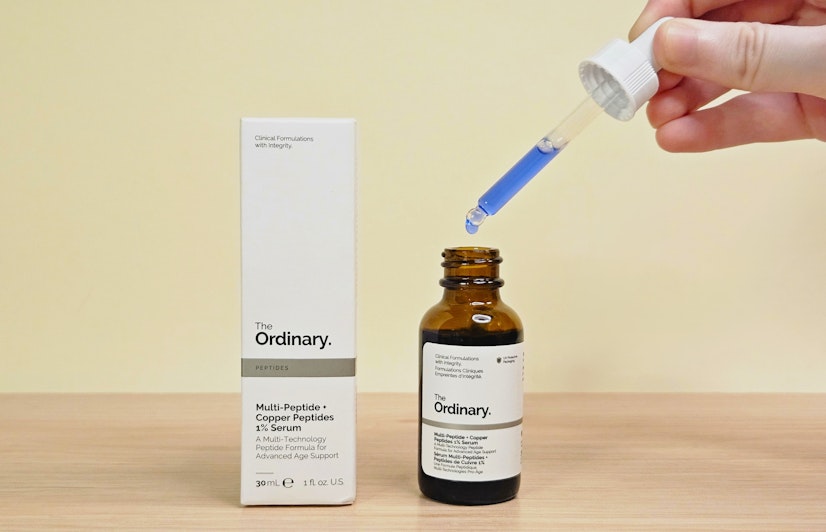
Photo by Innerbody Research
Though there are other copper peptides, and a few peptide complexes may contain copper as an ingredient, the term “copper peptides” in skin care almost always refers to copper tripeptide-1, also known as GHK-Cu.3
GHK-Cu consists of two parts: the tripeptide GHK (amino acid sequence glycyl-histidyl-lysine) and copper (Cu).12
Discovered in 1973 by Dr. Loren Pickart, the tripeptide GHK — without the copper — can naturally be found in human saliva, plasma, and urine.12 (The GHK in skin care products is synthetic.) Experts originally believed GHK was a liver cell growth factor, but as research advanced, they learned that the peptide could alter far more cells than just those in the liver. While it stimulated growth in some cells, it inhibited growth in others, leading to it being dubbed “a modulating peptide.”13
In the 1980s, it was established that GHK demonstrates a strong affinity for copper and readily teams up with the chemical element to form the complex GHK-Cu. When combined, the two promote faster wound healing, reduce inflammation, modulate collagen production, and more.12
How do copper peptides for skin work?
As humans age, their natural levels of GHK decline, going from around 200ng/mL in the plasma of a 20-year-old to 80ng/mL in a 60-year-old. Researchers suggest that the decline could contribute to the reduced regenerative capacity of older adults, resulting in things like slower wound healing.12 Theoretically, then, adding “supplemental” GHK to aging skin may help it behave more like younger skin. This idea is supported by Dr. Pickart’s findings with a GHK-Cu complex that “caused old human liver tissue to synthesize proteins like younger tissue.”12
In addition to (or because of) its regenerative properties, research has found that GHK-Cu may also be able to:12 14
- Reduce the appearance of fine lines and wrinkles
- Tighten loose skin, improve skin firmness, and reverse age-related skin thinning
- Promote faster wound healing
- Lighten the appearance of hyperpigmentation and sun damage
- Protect skin cells from UV damage
- Repair the skin barrier
- Smooth rough skin patches
- Stimulate collagen production
- Restore the vitality of fibroblasts (a type of cell that plays an important role in the formation of connective tissue)46
So it becomes clear why copper peptides have grown in popularity as a milder-yet-still-effective alternative to harsh actives such as retinoids, which can often cause side effects like redness, itching, burning, and peeling.47
To learn more about GHK-Cu, check out our comprehensive guide to the peptide.
Common ingredients used in copper peptide serums
Copper peptide serums often feature additional ingredients alongside GHK-Cu. The research behind them is broadly positive, though with some caveats.
Acetyl hexapeptide-8
Acetyl hexapeptide-8 (a.k.a. Argireline) is a synthetic peptide that behaves similarly to botulinum neurotoxins (Botox), such that one study from 2002 found that an emulsion containing 10% Argireline reduced wrinkle depth in women volunteers “up to 30%” after 30 days of treatment. Its efficacy is lower than that of injected Botox, but as researchers note, this is to be expected.22
Similar results were found in a small 2013 study, with the “total anti-wrinkle efficacy” of the Argireline treatment group being 48.9% compared to 0% in the placebo group.23 However, a more recent 2023 study investigating the effects of a serum containing Argireline and hyaluronic acid found the results to be “not statistically significant.”24 This means that more research is needed before claims that Argireline is a true alternative to Botox can be confirmed or denied.
Ectoine
GHK-Cu may have stability issues when applied to skin, where proteases can decompose it.9 Ectoine, however, can stabilize the peptide by strengthening its hydration shell.8 Also, ectoine by itself may confer some skin health benefits, such as protection from allergens, UV light, heat, and dryness. 7
Squalane
In a 2009 study, squalane is described as an organic compound that “shows some advantages for the skin as an emollient and antioxidant, and for hydration and its antitumor activities.”48 In skin care products, it’s primarily advertised as a hydrating agent.
Niacinamide
Glycerin
Glycerin is a humectant, or a substance that helps retain moisture. In a 2001 double-blind study, a glycerin-based cream was found to increase skin hydration, although it failed to influence transepidermal water loss (TEWL).51
Sodium hyaluronate
Beta-glucan
Like GHK-Cu, beta-glucan can promote wound healing, which can help your skin behave more like that of a younger person.54
Are copper peptides safe?
At the time of this writing, no serious side effects have been linked to the topical use of copper peptides. In fact, research overwhelmingly describes a favorable safety profile, including a 2018 review stating that GHK-Cu is a “safe, inexpensive, extensively studied compound.”14
However, even though copper peptides have demonstrated an impressive safety track record in studies, there are (as with most skin care actives) a few safety risks to consider. Below, we cover some potential concerns.
Copper toxicity
If used incorrectly or in conjunction with other copper-containing products, a copper peptide skin care product can cause copper toxicity.15 The risk is generally low, but it’s still something to be mindful of.
That being said, the risk is higher for people with Wilson’s disease — a rare genetic condition — since it causes copper to build up in the body.16
Cancer risk
GHK-Cu seemingly promotes angiogenesis, or the formation of new blood vessels.14 Though this can promote beneficial outcomes such as better wound healing, it may also supply blood to tumors, leading to the growth or spread of cancer.17 Anyone with active or suspected cancer would do well to avoid copper peptides.
Peptide allergies
It’s possible to become allergic to peptide coupling agents, which are necessary parts of synthetic peptide manufacturing.18 19 The risk is much higher in researchers who frequently handle or are exposed to these compounds, but since peptide coupling agents are described as “immune sensitizers,” it stands to reason that the risk, albeit small, applies to everyone.18
“Copper peptide uglies”
Anecdotal reports suggest that some people may experience worsened skin aging, instead of anti-aging, after using products with GHK-Cu — a rare condition known as “copper peptide uglies.” It isn’t necessarily a safety issue, but it’s still a potential downside of using copper peptide products.
No research has directly addressed the “copper uglies” phenomenon, but it may be due to the peptide’s effects on collagen. GHK-Cu has demonstrated the ability to stimulate both the synthesis and the breakdown of collagen, the latter of which could be the culprit.12
Miscellaneous side effects
When adding any new skin care product to your routine, you always face at least some risk of an adverse reaction. Everyone’s skin is different, and even the gentlest products can cause side effects. The most common side effects from GHK-Cu are redness, itching, and irritation, but they ought to go away with continued use.
If you happen to experience a severe adverse reaction — hives, swelling, difficulty breathing, etc. — then stop using the product and seek emergency medical assistance.
Ultimately, copper peptide serums should be generally safe for most healthy adults. Of course, it’s always recommended that you perform patch testing with new skin care products on a small area of your skin first, just to be safe.20 In the case of copper peptides, testing may not only help you rule out an allergic reaction, but it should also allow you to see whether you’re susceptible to the “copper peptide uglies.”
Who are copper peptide serums for?
There are specific groups for whom copper peptide serums may be best suited. These include but aren’t limited to people who:
- Are seeking a gentler anti-aging product
- Are seeking a skin care active that can tackle multiple concerns
- Have not had success with other actives
- Have chronic skin inflammation, sun damage, or hyperpigmentation
- Have acne or acne scarring
- Don’t mind smelling temporarily like a penny (as discovered by our testers)
Overall, copper peptide serums can suit the needs of a wide variety of people. But they’re not ideal for everyone.
Who should look elsewhere?
In some cases, copper peptide serums won’t be the solution you’re looking for. This may include instances where:
- You need a stronger product to achieve your goals (e.g., deep hyperpigmentation, severe acne, etc.)
- You already use another product containing copper (this could be unsafe)
- An essential part of your skin care routine is a harsh active, vitamin C, strong exfoliant, or salicylic acid — many of which are common ingredients in acne treatments and anti-aging products (copper peptides shouldn’t be mixed with them)
- Using copper peptides may be unsafe (i.e., you have Wilson’s disease, a peptide allergy, or active/suspected cancer)
- You’ve tried a copper peptide product in the past and experienced an adverse reaction (e.g., “copper uglies” or troublesome side effects)
If you’d like some alternatives to copper peptides, we go over a few in the “Alternatives to copper peptide serums” section toward the end of this guide.
Innerbody Labs Copper Peptide
Best for most people
Pros
- Contains multiple ingredients with well-researched benefits for skin health
- Numerous support ingredients may address skin health from other angles
- pH in line with that of average human skin
- Much more affordable than Allies of Skin
- Noncomedogenic, cruelty-free, and fragrance-free
- Third-party tested
- 30-day guarantee
Cons
- Presence of mushrooms poses an allergy risk
- Not as affordable as some brands
- Not suitable for vegans
- Monthly subscription model lacks flexibility
Innerbody Labs Copper Peptide fits a lot of ingredients into a 1fl oz bottle. We discussed several of the most promising ones earlier in this guide:
- Niacinamide for dark spots and blemishes49 50
- Glycerin for hydration51
- Sodium hyaluronate for both hydration and anti-wrinkle properties53
- Beta-glucan for wound healing, similar to GHK-Cu54
Like Allies of Skin, Innerbody contains acetyl hexapeptide-8, which can help reduce the appearance of wrinkles.22 And unlike Allies, it also contains several components that are unique in the context of this guide. These include:
Centella asiatica
Centella asiatica is an herb that, according to a 2010 review, is recommended for wound healing, varicose ulcers, eczema, and psoriasis.55 It may also work synergistically with hyaluronic acid and glycerin to “significantly [improve] skin hydration for up to 24 hours at the same time as improving skin barrier function,” per a 2017 study.56
Royal jelly
In a 2025 double-blind, placebo-controlled study, a protease-treated royal jelly cream was found to “[control] stratum corneum water content, dermal thickness, and bacterial microbiome,” as well as “[affect] stem cell competition and mesenchymal stem cell activation.” The researchers concluded that royal jelly “can reduce or eliminate certain skin concerns of women by improving age‐related wrinkles.”57
Lactobacillus and Lactococcus ferment lysates
What we have here are the fermented byproducts of two well-known beneficial bacterial species with potential uses in skin health. Indeed, in a 2025 study, skin care products made with Lactobacillus ferment lysate were found to reduce facial erythema within two weeks,58 and another 2025 study observed that Lactococcus ferment lysate could reduce acne severity, sebum levels, and inflammatory factors on the skin.59
Reishi and shiitake extracts
Reishi and shiitake mushrooms have also shown some utility in the skin care space. In two 2026 studies, researchers described reishi as a “bioactive-rich, safe, and stable natural ingredient with strong potential for incorporation into cosmetic formulations,”60 and shiitake as a “safe and naturally derived bioactive ingredient … demonstrating promising potential for incorporation into anti-aging and nutraceutical skin-care formulations.”61
There’s the GHK-Cu, too, of course. Here, it comes in a 1% concentration. That’s more or less standard for a copper peptide serum, but not all brands openly specify what concentration they provide. INNBEAUTY, for example, says nothing about the matter with regard to its Elastic Skin serum. INNBEAUTY is an otherwise excellent product, but we wish it were more transparent about its formulation.
Pricing
Innerbody Labs Copper Peptide costs $47 as a one-time purchase, which is less than one-quarter the cost of Allies of Skin. The price point here isn’t enough to unlock free shipping, so you’ll need to tack on a $6.99 shipping charge. You could get free shipping by ordering more than one bottle.
Alternatively, you can save 15-25% if you subscribe:
| Total up-front cost | Effective monthly cost | |
|---|---|---|
| 1-mo. subscription | $39.95 | $39.95 |
| 3-mo. subscription | $112.80 | $37.60 |
| 6-mo. subscription | $211.50 | $35.25 |
Subscribing to 3- or 6-month orders brings the discounts as well as free shipping. At most subscription tiers, the effective monthly cost is lower than that of an INNBEAUTY refill bottle.
The biggest gripe we have is that, unlike some competitors, Innerbody Labs could use more flexibility when it comes to subscription cadence or quantity. Some people may use more than 30ml in one month, while others may use less of it. Having the easy ability to subscribe to receive a bottle every two months, for instance, would be useful.
All orders are protected by a 30-day satisfaction guarantee. The 30-day window isn’t the largest in this guide, but at least we’re talking about a true guarantee. None of the “unopened products only” stuff that some brands, like Allies, impose on their customers.
Allies of Skin Copper Tripeptide & Ectoin Advanced Repair Serum
Best upmarket alternative

Photo by Innerbody Research
Pros
- Accepted by the National Eczema Association
- Products are clinically tested in self-funded studies
- Acetyl hexapeptide-8 may work similarly to Botox
- Research suggests ectoine can promote better peptide stability
- Vegan and cruelty-free (not tested on animals)
- No silicones, sulfates, alcohol, synthetic dyes, added fragrances, or essential oils
- Qualifies for free shipping
- Subscribe to save 15% off
Cons
- Full clinical testing details aren’t published or available to read
- Higher amounts of copper may increase risk of “copper peptide uglies” in some
- Very little research exists on copper lysinate
- Very expensive compared to competing products
- Used items cannot be returned
The Allies of Skin serum is built on a foundation of mostly well-studied ingredients:
- Copper tripeptide complex (GHK-Cu)
- Ectoine
- Copper lysinate complex
- Acetyl hexapeptide-8 complex
- Saccharide isomerate
Insider Tip: “Ectoin” and “ectoine” are the same thing. The latter spelling is technically the correct one, but the former is more often used when the ingredient is used in cosmetics. Maybe it’s because there’s a branded form of ectoine called “Ectoin,” but not every cosmetic product with ectoine uses the branded version.
Since research suggests that GHK-Cu has stability issues,9 the ectoine in the serum functions as a stabilizing component.8 Additionally, ectoine possesses certain properties that help it to shield “proteins, cell membranes, and human tissues from allergens, UV light, heat, and dryness.”7 And since peptides are the building blocks of proteins, it stands to reason that ectoine can protect them, too.21
The other ingredients in Allies serve other functions:
Acetyl hexapeptide-8
Copper lysinate
Allies of Skin describes copper lysinate as an amino acid complex that “can help improve signs of aging, such as enhancing skin density and firmness.” Though it’s unclear, this ingredient may be based on the branded ingredient Neodermyl, as most sources point to it when investigating copper lysinate in skin care.
But there isn’t much information on either copper lysinate or Neodermyl, with Neodermyl’s manufacturer noting only that it “revitalizes aged fibroblasts” and “reactivates collagen I, III, and elastin synthesis.”25
Saccharide isomerate
This plant-derived ingredient is a moisturizing agent. In a 2022 study, researchers described it as “similar to the natural moisturizing factor found in the human stratum corneum” (the outermost layer of skin),26 and another study from the same year found that adding it to a moisturizing formulation helped to increase and maintain skin hydration.27
Overall, Allies of Skin Copper Tripeptide & Ectoin Advanced Repair Serum is a product with several seemingly effective ingredients, though we hope to eventually see some published research on copper lysinate, as the available information is sparse.
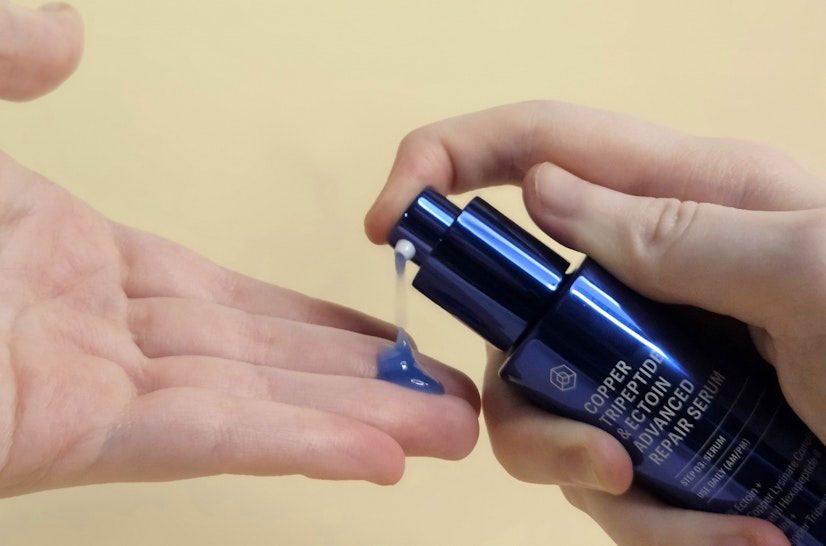
Photo by Innerbody Research
Pricing
Allies of Skin Copper Tripeptide & Ectoin Advanced Repair Serum is available in two sizes, and either one is far more expensive than any other product in this guide:
| 1fl oz | 1.7fl oz | |
|---|---|---|
| One-time | $199.00 | $291.00 |
| Subscription | $169.15 | N/A |
For perspective, even the discounted subscription price point is over three times higher than that of Innerbody or INNBEAUTY, and around 14 times as much as Good Molecules.
The product isn’t even refundable if you’ve used it. But the price exceeds Allies’ free-shipping threshold, so there’s that at least.
Biossance Squalane + Copper Peptide Rapid Plumping Serum
Best for dry skin
Pros
- Combines copper peptides with ectoine, like Allies of Skin
- Glycerin and hyaluronic acid support hydration
- My Green Lab certified
- Reasonably priced at $69
- 20% discount for students, teachers, and healthcare workers
- Qualifies for free shipping
- Comes in a large 50mL bottle
- 30-day satisfaction guarantee
Cons
- Many ingredients have only limited research support
- No subscription option
In this guide, Biossance Squalane + Copper Peptide Rapid Plumping Serum represents a kind of secondary budget pick, namely as an alternative to the other ectoine-containing product we recommend: Allies of Skin.
We’ve discussed how ectoine may help stabilize GHK-Cu, and we’ve said plenty about the hydrating effects of glycerin and hyaluronic acid, so here, let’s focus on Biossance’s other ingredients, specifically those that don’t appear in other products in this guide.
- Squalane: a kind of oil with hydrating properties. The best support for squalane comes from the Cleveland Clinic, where it’s recommended for people with dry skin.62
- Paracress extract: from the Acmella oleracea plant. A 2024 study involving human volunteers found that it improved skin hydration and microrelief, with good skin tolerability.63
- Polyglutamic acid: a peptide made from connected strands of glutamic acid. A 2025 study showed that it can increase the expression of proteins and enzymes involved in skin hydration.64
But the research in support of these ingredients, and others, is fairly limited at this time. Biossance’s formulation, then, doesn’t have as strong a scientific basis as Innerbody, Allies, or even INNBEAUTY. Still, the extant research is compelling enough to support Biossance as an effective hydrating cosmetic, and one that’s much more affordable than many competitors on the market.
Pricing
A 50mL bottle of Biossance Squalane + Copper Peptide Rapid Plumping Serum costs $69. Because of its large bottle size, its cost per milliliter ($1.38) is one of the lowest among our recommendations.
Orders over $50 ship free, by the way, and the $69 price point here easily clears the threshold. Also, your purchase is protected by Biossance’s 30-day satisfaction guarantee. The guarantee period is identical to Innerbody’s.
INNBEAUTY Project Elastic Skin
Best for acne-prone skin
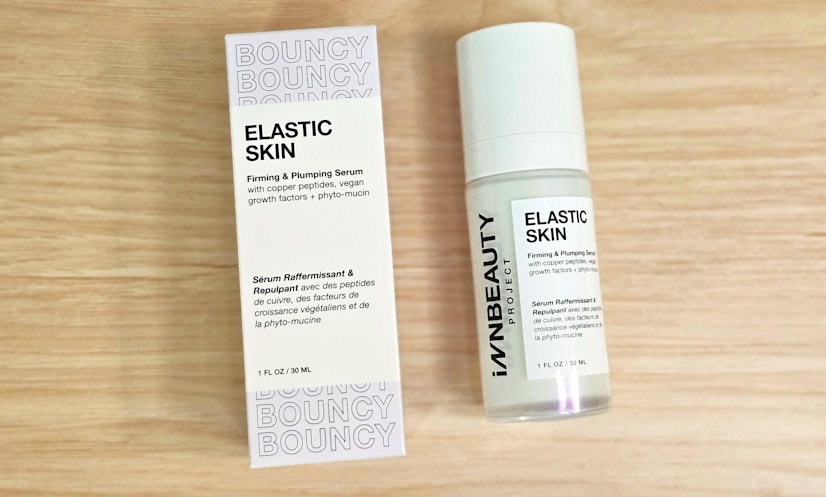
Photo by Innerbody Research
Pros
- Third-party tested
- Studies suggest several ingredients can benefit acne-prone skin
- Wild yam extract (vegan phytomucin) may promote skin hydration and soothe irritation
- Hypoallergenic, noncomedogenic, and fragrance-free
- Airless pump mechanism effectively dispenses product with little waste
- Vegan and cruelty-free
- Free shipping on orders over $60
- Subscribe to save 15% on refills
- 30-day guarantee
Cons
- Full clinical testing results aren’t published or available to read
- Research on vegan phytomucin isn’t as plentiful compared to snail mucin
- Company doesn’t clarify which allergens the product is free of
INNBEAUTY Project, founded in 2018, is a skin care brand that focuses on offering sustainable products that are all “hypoallergenic,” noncomedogenic, fragrance-free, vegan, and cruelty-free.
Insider Tip: The FDA explains: “There are no Federal standards or definitions that govern the use of the term ‘hypoallergenic.’ The term means whatever a particular company wants it to mean.”38 INNBEAUTY Project states that Elastic Skin has been third-party clinically tested to verify its hypoallergenic and noncomedogenic status, but doesn’t clarify exactly which allergens the product is free of. Though “hypoallergenic” suggests a product is free of common allergens, people can be allergic to almost anything. So, technically, nothing is entirely hypoallergenic.39
The company’s Elastic Skin serum is our recommendation for people with acne-prone skin because its ingredients provide the best chances of fighting or treating the common skin condition:
Wild yam extract (vegan phytomucin)
If you’re familiar with the South Korean skin care industry, you may have heard about snail mucin — and, yes, that’s the mucus produced by snails — which contains antioxidants and has moisturizing/protective properties that have led to positive results in studies.40 But since snail mucin is extracted from a living thing, there are ethical concerns surrounding it. And that’s where vegan phytomucin, or wild yam extract, could be an appealing alternative.
In a review from 2023, the authors noted that a compound in wild yams called gracillin may help reduce skin inflammation and, in a mouse study, it “significantly” improved the skin barrier and hydration status of subjects with atopic dermatitis.10 Wild yams also appear to have antimicrobial capabilities, which has led to their use in traditional medicine as a treatment for skin infections, among other things (e.g., cough, menstrual pain, swelling, stomach upset).11
GHK-Cu
One of the many potential benefits of topical GHK-Cu is increased skin hydration. This may be due to the copper peptide’s effects on the synthesis of collagen,14 which plays a major role in the elasticity, firmness, and hydration of your skin.41
When it comes to acne, GHK-Cu may be more ideal for healing from a breakout instead of preventing one (wild yam could be better at that). This copper peptide shows promise as a way to promote faster wound healing, reduce skin redness and inflammation, and improve skin texture, meaning it could help acne fade quicker.14
Vegan collagen amino acids
According to a 2024 review, topical collagen may improve skin elasticity, texture, and firmness. Its high molecular weight can reduce its efficacy, but the same review goes on to note that certain topical amino acids — namely, arginine — have demonstrated the ability to enhance collagen production and improve the skin barrier in humans when applied topically.42
Ceramides
Ceramides can do quite a bit for your skin health. As detailed in a 2025 review, they create moisture barriers, preserve hydration, regulate pH, control inflammation, and enhance skin functions. They can also be used to “repair skin barrier defects” in those with “inflammatory skin conditions like atopic dermatitis (AD) and dry skin types.”43
INNBEAUTY Project Elastic Skin pricing
INNBEAUTY Project Elastic Skin is sold in three options, each as either a one-time purchase or subscription:
| Description | One-time | Subscription | |
|---|---|---|---|
| Full-size bottle | Reusable 1fl oz glass bottle | $52.00 | $39.10 (refill bottle) |
| Refill bottle | 1fl oz of product in reduced-size packaging | $46.00 | $39.10 (refill bottle) |
| Full-size and refill set | Both the glass bottle and refill bottle | $83.00 | $39.10 (refill bottle) |
Frankly, you don’t need the glass bottle. You can just use the refill bottle on its own and save money from the outset. But if you prefer to have the glass bottle, and you can afford the higher price point, then we recommend choosing the set over the full-size itself: in addition to the bundling discount, it gets you across the $60 free-shipping threshold.
INNBEAUTY offers a money-back guarantee with a 30-day window. It’s the standard window, sure, but it’s at least 30 days longer than Allies of Skin’s no-guarantee-at-all.
NIOD Copper Amino Isolate Serum 3 1:1 (CAIS3)
Best copper isolate serum

Photo by Innerbody Research
Pros
- Star ingredients are GHK-Cu and GHK
- pH is mildly acidic (5.7-6.7)
- Vegan and cruelty-free
- Free of alcohol, oil, silicone, and gluten
- Available in two sizes: 15mL and 30mL
- Packaged very nicely
- Qualifies for free shipping
- Products can be returned up to 365 days after purchase
Cons
- No subscription option (or discount) available
- Full potential benefits may require additional products from “Core Regimen” line
- Very strong, unpleasant smell
- On the expensive side compared to our other picks
NIOD’s Copper Amino Isolate Serum 3 1:1, abbreviated as CAIS3, is a product made almost entirely out of GHK-Cu. Its ingredient list is short:
- GHK-Cu
- GHK
- Tripeptide-29
- Plant glycogen
The “1:1” in the serum’s name refers to the one-to-one ratio of GHK-Cu to GHK. Though GHK-Cu is far more popular in skin care products, GHK on its own can also provide some benefits: accelerating wound healing, tightening loose skin, reducing fine lines and wrinkles, and fading hyperpigmentation. Recall, GHK occurs naturally in the human body, but levels decline with age, so incorporating supplemental GHK can potentially improve skin health.12
The other two ingredients, tripeptide-29 and plant glycogen, act as supporting players in this serum:
- Tripeptide-29 is considered a collagen peptide and may promote the synthesis of healthy collagen while preventing the production of denatured collagen (collagen with proteins that have lost their structural integrity).44
- Plant glycogen may promote the production of ceramides, which can support overall skin health (e.g., maintain hydration, reduce inflammation, etc.)43 45
Like Innerbody Labs, NIOD transparently specifies the pH of its product. CAIS3 has a pH of 5.7-6.7, which is mildly acidic. That’s mostly in line with the recommended 4-6 range for skin care topicals. If it were more alkaline than that, it could be more disruptive to the skin’s overall health.35 36 37
NIOD Copper Amino Isolate Serum pricing information
NIOD CAIS3 comes in two sizes and price points:
- 15mL: $62.00 ($4.13 per mL)
- 30mL: $93.00 ($3.10 per mL)
Purchases over $25 ship for free, so either size qualifies. Also, NIOD offers a 365-day return policy applicable to any product that’s still 50% full. That’s good enough to be the best guarantee period in this guide, along with The Ordinary.
The Ordinary Multi-Peptide + Copper Peptides 1% Serum
Budget pick

Photo by Innerbody Research
Pros
- Contains GHK-Cu and four branded peptide ingredients
- Hyaluronic acid can support skin hydration and health
- Free of alcohol, oil, silicone, and gluten
- Cruelty-free and vegan
- Can be found online or in brick-and-mortar stores
- More affordable than many other copper peptide serums
- Qualifies for free shipping
- Products can be returned up to a year after purchase
Cons
- Clinical testing is claimed, but no results or evidence available
- Product pH may not be acidic enough (6.0-7.0) for ideal skin health
- Has a distinct metallic smell that can linger for hours after use
- Some customers complain of a burning sensation or acne
- Website checkout can be finicky
The Ordinary is one of the most well-known cosmetic manufacturers in the world today, beating legacy brands like Dove and Neutrogena by a long shot in search volume.28 The company focuses on selling sustainable self-care products at affordable prices.
Insider Tip: This product was previously known as “Buffet” + Copper Peptides 1%, but it was recently renamed. If you happen to own a bottle of that product, then you also have the Multi-Peptide + Copper Peptides 1% Serum.
Its Multi-Peptide + Copper Peptides 1% Serum has a long list of ingredients. Let’s break down the research behind the best ones:
Lactococcus ferment lysate
Research from 2023 suggests that adding fermented cultures of various probiotic strains to lotion can improve skin barrier function, reduce skin redness and irritation, and boost moisturization in part by helping to prevent TEWL.29
Matrixyl 3000 and Matrixyl synthe'6
According to a 2023 review, in a small study on 24 men, the use of Matrixyl 3000 for two months led to a reduction in wrinkle depth by 10.2% and wrinkle volume by 17.1%.30 Similarly, another small study using a product that included Matrixyl 3000 as an ingredient (among others) found that, by day 28 of use, 75% of 32 total subjects expressed overall satisfaction with their skin appearance, and the researchers noted a “significant decrease” in the number, depth, and volume of wrinkles.30
While it’s difficult to find research specifically on Matrixyl synthe'6, studies on its active ingredient, palmitoyl tripeptide‐38, suggest that it stimulates the synthesis of collagen and hyaluronic acid, as well as of proteins for wound healing and maintaining the structure of bodily tissues. In a clinical trial on human subjects, a topical preparation of the peptide reduced the appearance of forehead wrinkles and crow’s feet.31
Argirelox
Argirelox is a peptide blend that contains acetyl hexapeptide-8, whose mechanism of action is similar to that of Botox.22 Acetyl hexapeptide-8 has demonstrated the ability to reduce the appearance of wrinkles,23 but more research is needed, as some other research has found the peptide’s effects to be unremarkable.24
The other peptide in the complex is pentapeptide-18, also known as Leuphasyl. A 2017 review noted that this peptide has reduced the appearance of wrinkles by around 12% in human subjects, and when combined with acetyl hexapeptide-8, it can be used to extend the anti-wrinkle effects of Botox injections.32
Syn-Ake
In a recent 2024 study examining in silico and in vitro tests, Syn-Ake displayed antioxidant capabilities, meaning it could help scavenge free radicals and prevent them from damaging or aging skin.33 Additionally, a 2024 review explained that the peptide may prevent the uptake of sodium ions in muscles, keeping them relaxed and reducing the risk of developing wrinkles. One study covered in the review found that a topical containing Syn-Ake resulted in a 52% reduction in wrinkle size after 28 days of use.34
(As an interesting side note, you may have noticed that Syn-Ake kind of looks or sounds like the word “snake.” That’s because it’s an analog of a natural peptide called Waglerin-1, derived from the venom of the Southeast Asian temple viper.)34
One potential drawback of The Ordinary’s copper peptide serum is its pH. Ranging from 6.00 to 7.00, it’s very mildly acidic to neutral and more alkaline than the skin’s normal pH of around 5.5.35 Using such a product could negatively impact the skin’s health, which is why experts recommend using topicals with a more acidic pH.36 37
The Ordinary’s alkaline-leaning composition may explain why some customers complain about poor skin reactions from it.
Pricing
The Ordinary Multi-Peptide + Copper Peptides 1% Serum sells for $32 as a one-time purchase. A subscription option was once available, but it appears to have gone away since we last checked in.
Insider Tip: As you check out, keep in mind that sometimes The Ordinary’s website may freeze or randomly decline your payment method. If you’re unsure whether or not your order went through, it’s best to contact customer service before trying again.
Shipping is free on orders over $25, so the Multi-Peptide + Copper Peptides Serum qualifies. Also, The Ordinary offers a generous 365-day return policy, the same as NIOD. As long as your product is at least half full, it’s eligible for a refund.
Good Molecules Super Peptide Serum
Lowest up-front cost
Pros
- Glycerin and sodium hyaluronate support hydration
- Acetyl hexapeptide-8 and acetyl octapeptide-3 may help with wrinkles
- Only $12 per bottle
- Bulk purchasing available
- 60-day satisfaction guarantee
Cons
- Low concentrations of peptides
- Single order doesn’t qualify for free shipping
- No discounts on subscriptions or bulk purchases
We’ve said in other guides that the “lowest up-front cost” option typically represents a compromise with regard to efficacy, and Good Molecules doesn’t do much to challenge the general rule. It has some excellent ingredients, to be sure — glycerin and sodium hyaluronate for hydration,51 53 as well as acetyl hexapeptide-8 and acetyl octapeptide-3 for reducing the appearance of wrinkles22 23 65 — but the peptides in the formulation may come up short on potency.
Take, for example, its copper tripeptide-1. The Good Molecules Super Peptide Serum product page indicates that it’s present in 5ppm, or 0.0005%, which is exponentially less than what you get with, say, Innerbody Labs. The acetyl hexapeptide-8 and octapeptide-3 are also pretty low at 25ppm, or 0.0025%. That’s not to say that Good Molecules can’t be effective, but that its peptide content isn’t as robust as our other recs or even equal to most amounts used in clinical studies of leave-in products.66
Still, at its ultra-low price point, Good Molecules Super Peptide Serum is worth trying, if only as a stepping stone to the better-formulated competitors in this guide.
Pricing
A 30mL bottle of Good Molecules Super Peptide Serum costs only $12. That’s the price for a one-time purchase and a subscription. Subscribers don’t get a discount.
Good Molecules allows you to purchase in bulk, too. The cost scales linearly from the base price: $24 for a two-pack and $36 for a three-pack. The option we recommend is the three-pack because (a) it clears Good Molecules' $35 free-shipping threshold and (b) it’s still significantly less expensive than any other option in this guide.
Sweetening the deal is that Good Molecules offers a 60-day satisfaction guarantee. The policy isn’t as generous as NIOD’s, but it’s leagues better than that of Allies and twice as long as what you get with Innerbody, Biossance, or INNBEAUTY.
Alternatives to copper peptide serums
Copper peptide serums aren’t for everyone, not least of all because they can cause adverse reactions such as the copper peptide uglies. So here are some alternatives to consider.
Prescription skin care
A prescription option is for anyone who prefers or needs a more intense treatment for their skin woes. There are a lot of online dermatology services out there that may have what you’re looking for. Some of our favorites are:
- Musely: Provides treatments for dark spots, anti-aging (face, neck, body, and eyes), hair loss, rosacea, menopausal skin, keratosis pilaris, and more
- Agency: Offers anti-aging and dark spot treatments
- Curology: Specializes in acne treatments
Agency and Curology have somewhat limited selections, but the products can be a bit more customizable. Musely offers a large assortment of treatments and formulas, many of which you can’t find elsewhere online, but they’re often more expensive up front compared with Agency or Curology.
Personalized nonprescription skin care
One of our favorite options for personalized nonprescription treatments is Prose, an environmentally conscious company that creates custom hair and skin care products based on factors such as your local environment, air quality, stress levels, and diet.
For your skin care, Prose will create three customized formulas: a cleanser, a serum, and a moisturizer. You don’t have to purchase all three. Just buy whichever products you want and skip the rest.
Something we appreciate is that Prose offers subscribers a free Skincare Starter Set that allows you to try each of your personalized skin care formulas. If you’re unhappy with your products after trying them, then you can get either a free formula adjustment or a full refund (if you purchased anything).
To learn more about Prose, check out our full review.
FAQ about copper peptide serums
Sources
Innerbody uses only high-quality sources, including peer-reviewed studies, to support the facts within our articles. Read our editorial process to learn more about how we fact-check and keep our content accurate, reliable, and trustworthy.
Verified Market Reports. (2025). Copper peptide skincare market insights. VMR.
The Good Face Project. (2022). What does “clean beauty” mean? The Good Face Project.
Pickart, L., & Margolina, A. (2018). Skin regenerative and anti-cancer actions of copper peptides. Cosmetics, 5(2), 29.
National Eczema Association. (n.d.). Copper Tripeptide & Ectoin Advanced Repair Serum. NEA.
National Eczema Association. (n.d.). About the Seal of Acceptance. NEA.
National Institute on Aging. (2023). What are clinical trials and studies? NIH.
Becker, J., & Wittmann, C. (2020). Microbial production of extremolytes — High-value active ingredients for nutrition, health care, and well-being. Current Opinion in Biotechnology, 65, 118-128.
Panuszko, A., Szymczak, M., Dłużewska, J., Godlewska, J., Kuffel, A., & Bruździak, P. (2024). Effect of ectoine on hydration spheres of peptides–spectroscopic studies. Spectrochimica Acta Part A: Molecular and Biomolecular Spectroscopy, 306, 123590.
Wang, Y., Lin, J., Yu, Z., Cheng, J., Cheng, J., & Cui, W. (2024). Rigid-flexible nanocarriers loaded with active peptides for antioxidant and anti-inflammatory applications in skin. Colloids and Surfaces B: Biointerfaces, 236, 113772.
Wang, Z., Zhao, S., Tao, S., Hou, G., Zhao, F., Tan, S., & Meng, Q. (2023). Dioscorea spp.: Bioactive Compounds and Potential for the Treatment of Inflammatory and Metabolic Diseases. Molecules, 28(6), 2878.
Kumar, S., Das, G., Shin, S., & Patra, J. K. (2017). Dioscorea spp. (A wild edible tuber): A study on its ethnopharmacological potential and traditional use by the local people of Similipal Biosphere Reserve, India. Frontiers in Pharmacology, 8, 52.
Pickart, L., Vasquez-Soltero, J. M., & Margolina, A. (2015). GHK peptide as a natural modulator of multiple cellular pathways in skin regeneration. BioMed Research International, 2015, 648108.
Hsiao, D., Wu, H., Malhotra, N., Liu, C., Wu, H., Lin, N., Saputra, F., Santoso, F., & Chen, C. (2020). Expression and purification of recombinant GHK tripeptides are able to protect against acute cardiotoxicity from exposure to waterborne-copper in zebrafish. Biomolecules, 10(9), 1202.
Pickart, L., & Margolina, A. (2018). Regenerative and protective actions of the GHK-Cu peptide in the light of the new gene data. International Journal of Molecular Sciences, 19(7), 1987.
Royer, A. & Sharman, T. (2023). Copper toxicity. StatPearls Publishing.
Cleveland Clinic. (2022). Wilson disease. Cleveland Clinic.
National Cancer Institute. (2018). Angiogenesis inhibitors. NIH.
McKnelly, K., Sokol, W., & Nowick, J. (2019). Anaphylaxis induced by peptide coupling agents: Lessons learned from repeated exposure to HATU, HBTU, and HCTU. The Journal of Organic Chemistry, 85(3), 1764-1768.
Bachem. (2024). What is peptide coupling? Bachem.
American Academy of Dermatology. (n.d.). How to test skin care products. AAD.
Forbes, J. & Krishnamurthy, K. (2023). Biochemistry, peptide. StatPearls Publishing.
Blanes-Mira, C., Clemente, J., Jodas, G., Gil, A., Fernández-Ballester, G., Ponsati, B., Gutierrez, L., Pérez-Payá, E., & Ferrer-Montiel, A. (2002). A synthetic hexapeptide (Argireline) with antiwrinkle activity. International Journal of Cosmetic Science, 24(5), 303-310.
Wang, Y., Wang, M., Xiao, S., Pan, P., Li, P., & Huo, J. (2013). The anti-wrinkle efficacy of argireline, a synthetic hexapeptide, in Chinese subjects: a randomized, placebo-controlled study. American Journal Of Clinical Dermatology, 14(2), 147-153.
Henseler, H. (2023). Investigating the effects of Argireline in a skin serum containing hyaluronic acids on skin surface wrinkles using the Visia® Complexion Analysis camera system for objective skin analysis. GMS Interdisciplinary Plastic and Reconstructive Surgery DGPW, 12, Doc09.
Givaudan. (n.d.). Neodermyl. Givaudan.
Martin, E., Zhang, A., & Campiche, R. (2022). Saccharide isomerate ameliorates cosmetic scalp conditions in a Chinese study population. Journal of Cosmetic Dermatology, 22(1), 262-266.
Pangkahila, W. (2022). Addition of 5% saccharide isomerates in moisturizing formulation increases skin hydration higher than regular moisturizers. Eduvest, 2(8), 2775-3727.
Sternberg, C. (2021). The Ordinary is the most searched skincare brand. Beauty Packaging.
Cui, H., Feng, C., Zhang, T., Martínez-Ríos, V., Martorell, P., Tortajada, M., Cheng, S., Cheng, S., & Duan, Z. (2023). Effects of a lotion containing probiotic ferment lysate as the main functional ingredient on enhancing skin barrier: A randomized, self-control study. Scientific Reports, 13, 16879.
Li, F., Chen, H., Chen, D., Zhang, B., Shi, Q., He, X., Zhao, H., & Wang, F. (2023). Clinical evidence of the efficacy and safety of a new multi-peptide anti-aging topical eye serum. Journal of Cosmetic Dermatology, 22(12), 3340-3346.
Lintner, K., Gerstein, F., & Solish, N. (2020). A serum containing vitamins C & E and a matrix‐repair tripeptide reduces facial signs of aging as evidenced by Primos® analysis and frequently repeated auto‐perception. Journal of Cosmetic Dermatology, 19(12), 3262-3269.
Schagen, S. K. (2017). Topical peptide treatments with effective anti-aging results. Cosmetics, 4(2), 16.
Gok, B., Budama-Kilinc, Y., & Kecel-Gunduz, S. (2024). Anti-aging activity of Syn-Ake peptide by in silico approaches and in vitro tests. Journal Of Biomolecular Structure & Dynamics, 42(10), 5015-5029.
Nguyen, T. T., Yi, E., Jin, X., Zheng, Q., Park, S., Yi, G., Yang, S., & Yi, T. (2024). Sustainable dynamic wrinkle efficacy: Non-invasive peptides as the future of botox alternatives. Cosmetics, 11(4), 118.
Cleveland Clinic. (2023). What is your skin’s pH and why does it matter?. Cleveland Clinic.
Lukić, M., Pantelić, I., & Savić, S. D. (2021). Towards optimal pH of the skin and topical formulations: From the current state of the art to tailored products. Cosmetics, 8(3), 69.
Kim, E., Kim, S., Nam, G. W., Lee, H., Moon, S., & Chang, I. (2009). The alkaline pH-adapted skin barrier is disrupted severely by SLS-induced irritation. International Journal of Cosmetic Science, 31(4), 263-269.
U.S. Food and Drug Administration. (2022). "Hypoallergenic" cosmetics. FDA.
Cleveland Clinic. (2025). Allergies. Cleveland Clinic.
Nelson, C. (2023). The truth about snail mucin for skin care. Mayo Clinic Press.
Reilly, D. M., Kynaston, L., Naseem, S., Proudman, E., & Laceby, D. (2024). A clinical trial shows improvement in skin collagen, hydration, elasticity, wrinkles, scalp, and hair condition following 12-week oral intake of a supplement containing hydrolysed collagen. Dermatology Research and Practice, 2024, 8752787.
He, X., Gao, X., Guo, Y., & Xie, W. (2024). Research progress on bioactive factors against skin aging. International Journal of Molecular Sciences, 25(7), 3797.
Yong, T. L., Zaman, R., Rehman, N., & Tan, C. K. (2025). Ceramides and skin health: New insights. Experimental Dermatology, 34(2), e70042.
Lee, Y. I., Lee, S. G., Jung, I., Suk, J., Lee, H., Kim, U., & Lee, J. H. (2022). Effect of a topical collagen tripeptide on antiaging and inhibition of glycation of the skin: A pilot study. International Journal of Molecular Sciences, 23(3), 1101.
Yatsuhashi, H., Furuyashiki, T., Thi Vo, P. H., Kamasaka, H., & Kuriki, T. (2021). Effects of glycogen on ceramide production in cultured human keratinocytes via acid sphingomyelinase activation. Journal of Applied Glycoscience, 68(2), 41-46.
National Human Genome Research Institute. (2025). Fibroblast. NIH.
Narsa, A. C., Suhandi, C., Afidika, J., Ghaliya, S., Elamin, K. M., & Wathoni, N. (2024). A comprehensive review of the strategies to reduce retinoid-induced skin irritation in topical formulation. Dermatology Research and Practice, 2024, 5551774.
Huang, Z. R., Lin, Y. K., & Fang, J. Y. (2009). Biological and pharmacological activities of squalene and related compounds: Potential uses in cosmetic dermatology. Molecules, 14(1), 540-554.
Navarrete-Solís, J., et al. (2011). A double-blind, randomized clinical trial of niacinamide 4% versus hydroquinone 4% in the treatment of melasma. Dermatology Research and Practice, 2011, 379173.
Marques, C., et al. (2024). Mechanistic insights into the multiple functions of niacinamide: Therapeutic implications and cosmeceutical applications in functional skincare products. Antioxidants, 13(4), 425.
Lodén, M, & Wessman. W. (2001). The influence of a cream containing 20% glycerin and its vehicle on skin barrier properties. International Journal of Cosmetic Science, 23(2), 115-119.
Zanchetta, C., Scandolera, A., & Reynaud, R. (2025). Hyaluronic acid in topical applications: The various forms and biological effects of a hero molecule in the cosmetics industry. Biomolecules, 15(12).
Bravo, B., et al. (2022). Benefits of topical hyaluronic acid for skin quality and signs of skin aging: From literature review to clinical evidence. Dermatologic Therapy, 35(12), e15903.
Somboonchokephisal, T., et al. (2025). The effect of beta-glucan on wound healing: A systematic review and meta-analysis. Wound Practice and Research, 33(4), 166-175.
Gohil, K. J., Patel, J. A., & Gajjar, A. K. (2010). Pharmacological review on Centella asiatica: A potential herbal cure-all. Indian Journal of Pharmaceutical Sciences, 72(5), 546-556.
Milani, M., & Sparavigna, A. (2017). The 24-hour skin hydration and barrier function effects of a hyaluronic 1%, glycerin 5%, and Centella asiatica stem cells extract moisturizing fluid: An intra-subject, randomized, assessor-blinded study. Clinical, Cosmetic and Investigational Dermatology, 10, 311-315.
Ikegami, S., et al. (2025). Effect of protease‐treated royal jelly extract on facial wrinkles: A placebo‐controlled, double‐blind, parallel‐group study. Journal of Cosmetic Dermatology, 24(10), e70503.
Abdulbaky, A., et al. (2025). The efficacy of Lactobacillus ferment lysate-derived prebiotics in mist and serum form on skin inflammation: A two-week prospective study. Journal of Dermatology Research, 6(3), 1-6.
Anwar, A. I., et al. (2025). Effectiveness of topical microbiome containing Lactococcus ferment lysate 5% in acne vulgaris patients. Journal of Pakistan Association of Dermatologists, 35(2), 93-98.
Kucuk, S. D., et al. (2026). Cosmetic potential of Ganoderma lucidum (Reishi) extract in a topical cream formulation. International Journal of Cosmetic Science.
Kucuk, S. D., et al. (2026). Cosmeceutical and dermatological potential of shiitake mushroom (Lentinula edodes) extract. Journal of Cosmetic Dermatology, 25(2), e70724.
Cleveland Clinic. (2022). What is squalane? Cleveland Clinic.
Savic, S. M., et al. (2025). Preliminary safety and in vivo efficacy of Acmella oleracea extract-loaded glycolipid emulsion serum — effects on ocular irritation, dermal absorption, and facial skin biophysical and microrelief properties. International Journal of Cosmetic Science, 47(2), 362-382.
Ko, H. J., et al. (2025). Poly-γ-glutamic acid from a novel Bacillus subtilis strain: strengthening the skin barrier and improving moisture retention in keratinocytes and a reconstructed skin model. International Journal of Molecular Sciences, 26(3).
Moy, M., et al. (2023). Peptide-pro complex serum: Investigating effects on aged skin. Journal of Cosmetic Dermatology, 22(1), 267-274.
Expert Panel for Cosmetic Ingredient Safety. (2021). Safety assessment of acetyl hexapeptide-8 amide as used in cosmetics. Cosmetic Ingredient Review.

Copyright © Innerbody Research 1997 - 2025. All Rights Reserved.